Pasta Salad Lunchbox
A pasta salad is the most forgiving cold lunch you can send. It holds its shape, it does not need reheating, and it tastes better on the second day than the first. The only thing that goes wrong is the dressing, and that is easy to fix.
The rule is simple. Dress the pasta lightly when you make it, pack the rest of the dressing separately, and let your child pour it over at the table. Nothing goes soggy and nothing dries out.

Pasta Salad Lunchbox
Ingredients
Method
- Cook the pasta in salted water until just tender, about 1 minute more than the packet suggests.
- Drain it, rinse briefly in cold water to stop the cooking, then drain again thoroughly.
- Toss the still slightly warm pasta with 1 teaspoon of the olive oil so the pieces do not stick together, and leave it to cool.
- Whisk the remaining olive oil, lemon juice and a pinch of salt into a small lidded pot for the dressing.
- Mix the cooled pasta with the tomatoes, cucumber and olives. Keep the feta separate for now.
- In the morning, stir the feta through, add the dressing pot to the lunchbox, and pack with a cold pack.
Notes
Why pasta salad works in a lunchbox
Pasta does not go stale the way bread does. A pasta salad made on Sunday is still good on Tuesday, which makes it the ideal thing to batch cook. It also takes well to being packed in a hard container, so it arrives at school in the same condition it left home.
It is a good carrier for vegetables too. Cucumber, tomato, pepper and sweetcorn all sit happily in it, and children who would pick a salad apart will eat the same vegetables when they are mixed through pasta.
The dressing rule that stops it going soggy
- Cook the pasta one minute past al dente if you are serving it cold. Cold pasta firms up, so pasta cooked perfectly will feel underdone from the fridge.
- Cool it properly. Rinse briefly in cold water to stop the cooking, then drain hard. Pasta with water clinging to it will water down the dressing.
- Dress it while it is still slightly warm with just a teaspoon or two of oil. Warm pasta absorbs the oil, which stops the pieces sticking together in the box.
- Pack the rest of the dressing in a small lidded pot and let it be poured on at lunch. This is the single change that makes the biggest difference.
- Keep the soft ingredients separate. Feta, olives and cherry tomatoes hold up better added in the morning rather than the night before.
Make ahead
This is genuinely a make ahead recipe, and it is better for it.
- Pasta and dressing: up to three days in the fridge, in separate containers.
- Assembled salad without the soft cheese: two days in the fridge.
- Morning of: stir through the feta, add the dressing pot, and pack. Takes two minutes.
- Do not freeze. Cooked pasta goes grainy and the vegetables collapse.
Food safety for cold lunches
This is a cold lunch, so the concern is keeping it cold rather than keeping it hot.
- Pack it in a chilled container, straight from the fridge. A warm container warms the food.
- Use a cold pack in the bag in warm weather, and at any time of year if the lunch will sit in a hot classroom.
- Cooked pasta that has been left out at room temperature for a long period is a genuine food poisoning risk, more so than most people expect. If the box comes home warm and untouched, throw the contents away.
- Anything left uneaten should not be kept for the next day.
What to put in it
Once you have the pasta and the dressing, the rest is a formula. Pick one from each line:
- Something crunchy: cucumber, sweet pepper, celery, sweetcorn, or finely sliced raw cabbage.
- Something salty: feta, olives, parmesan shavings, or a little diced ham.
- Something sweet: cherry tomatoes, halved grapes, or tiny pieces of apple.
- Something herby: basil, parsley, or a pinch of dried oregano.
Substitutions and allergy swaps
- Gluten free: use gluten free pasta shapes and cook them a minute less, because they soften faster when cold.
- Dairy free: leave the feta out or use a dairy free alternative. Add a few extra olives to keep the salty note.
- No tomato: use a lemon and olive oil dressing with cucumber, sweetcorn and feta instead of the tomato based version.
- Nut free: this recipe is already nut free.
- Picky eaters: use a single vegetable rather than four. A pasta salad with only sweetcorn and cheese gets eaten. One with six ingredients does not.
Three variations
- Pesto pasta salad: swap the lemon dressing for a spoon of pesto thinned with olive oil.
- Tuna pasta salad: add a drained tin of tuna and a spoon of mayonnaise for a more filling lunch.
- Greek style: cucumber, feta, olives and oregano with a lemon dressing, and no tomato.
Frequently asked questions
Can I make pasta salad the night before?
Yes, and it is better that way. Keep the dressing separate and add the soft cheese in the morning. Without those two steps the salad goes watery and the feta goes soft.
Why does my pasta salad taste bland the next day?
Cold mutes flavour, and pasta absorbs salt and acid as it sits. Taste it cold before you pack it, not warm, and add a little extra lemon and salt at that point.
Which pasta shape is best?
Something with texture that catches the dressing. Fusilli, farfalle, penne and shells all work. Very small shapes turn into a solid block.
Is pasta salad safe without a fridge?
With a cold pack in a cool bag, yes, for a normal school day. Without any cold source, in warm weather, it is not a lunch you should send.
More lunchbox ideas
If cold lunches suit your mornings better, these are the next ones to read:
- Tuna Mayo Pasta Cups, the same idea in a smaller portion.
- Thermos Spaghetti, the hot pasta option for cold days.
- Cheese and Crackers Lunchbox, a five minute no cook lunch.
- Budget-Friendly Lunchbox Ideas, for making this work on a tight weekly shop.
- No-Heat Lunchbox, more cold lunches that need no cooking.
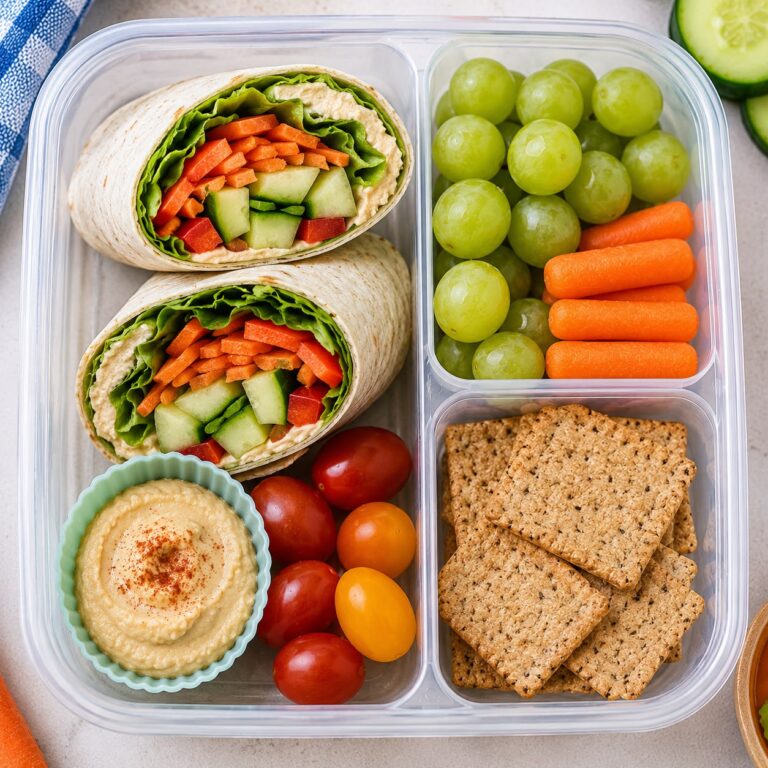
Image note: the dish images on this page are AI-generated, created to show the finished recipe. They are not photographs.